
Understanding the psychological tricks of gambling in casinos
The Illusion of Control
One of the most potent psychological tricks used in casinos is the illusion of control. Gamblers often believe that they can influence the outcome of games, even those based purely on chance, such as slot machines or roulette. This illusion stems from cognitive biases, where players may remember their successes more vividly than their failures. For instance, the top bookmakers provide excellent bonuses; therefore, selecting their own numbers in a game can enhance players’ feelings of control. Finding the best basketball betting sites can amplify this experience, leading to prolonged play and increased betting.
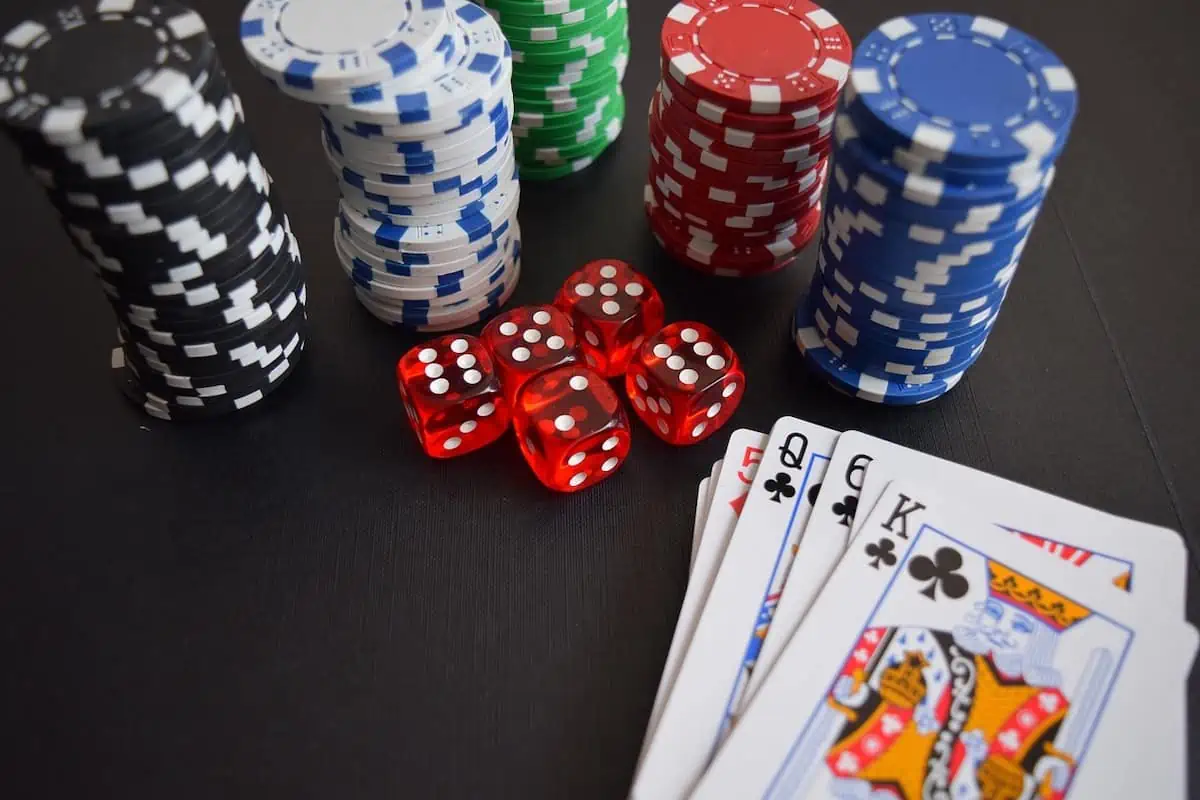
Additionally, the use of rituals and superstitions is common in gambling environments. Many players develop personal routines or lucky charms, believing these practices can improve their odds. This sense of control can make the experience more enjoyable, reinforcing the behavior and drawing players back to the casino. Consequently, casinos often design their environments to support this illusion, making games appear more skill-based than they are.
Furthermore, the thrill of betting is amplified when players think they possess a special insight or strategy. This mindset not only increases the time spent at the table but also escalates the amount of money wagered. The sensation of having a winning strategy keeps players engaged, often blinding them to the reality of the house edge, which ensures the casino’s profitability in the long run.
The Role of Sound and Lighting
The auditory and visual design of a casino significantly impacts players’ behavior and emotions. Casinos are meticulously crafted to create a stimulating environment that encourages gambling. The sounds of coins clinking, slot machines ringing, and upbeat music all contribute to an atmosphere of excitement and euphoria. These sensory cues can trigger dopamine release, reinforcing positive associations with gambling and prompting players to continue placing bets.
Moreover, the lighting in casinos plays a crucial role in enhancing this experience. Bright lights are used to draw attention to specific games, while dimmer areas create a more intimate and focused space for high-stakes gambling. This strategic use of lighting can encourage prolonged gambling sessions, as players may lose track of time and their surroundings. This disorientation can lead to increased spending, as players become more engrossed in their activities.
Finally, the combination of sound and lighting serves to heighten the emotional experience, making wins feel more significant and losses less impactful. By creating a celebratory atmosphere around gambling, casinos can manipulate players’ emotional states, leading them to chase losses or continue betting during winning streaks. This clever interplay of sensory stimulation keeps players returning, reinforcing their gambling habits over time.
The Concept of Near Misses
The psychology of near misses is another significant factor in the gambling experience. A near miss occurs when a player almost wins, such as when three matching symbols appear on a slot machine but do not align perfectly. Research has shown that near misses can evoke feelings of excitement, leading players to believe that victory is just around the corner. This phenomenon can trigger a cycle of continued play, as players are motivated to bet again to achieve that elusive win.
Near misses exploit players’ cognitive biases, particularly the tendency to overestimate the likelihood of success. When faced with a near miss, gamblers may feel an increased desire to continue playing, often overlooking the reality that their chances of winning remain unchanged. This psychological trick is intentionally designed by casinos to prolong the gambling experience and encourage higher bets.
The impact of near misses can be profound, as they not only affect individual gambling sessions but can also foster a compulsive gambling mindset over time. Gamblers may develop an unrealistic expectation of winning, leading to behaviors that can spiral into gambling addiction. Understanding this psychological mechanism is crucial for recognizing the factors at play within the casino environment and the potential risks of engaging in gambling activities.
The Importance of Social Interaction
Gambling is often perceived as a solitary activity; however, the social aspects of the casino experience are paramount. Casinos are designed to facilitate social interaction, whether through communal games like poker or the bustling atmosphere around slot machines. This social environment enhances the overall experience, providing players with a sense of belonging and shared excitement. Engaging with fellow gamblers can create camaraderie, which encourages individuals to continue gambling, often spending more money than they initially planned.
Moreover, the presence of staff members, such as dealers and waiters, adds to the social dynamic. Their friendly demeanor and interactions with players can foster a welcoming environment, making visitors feel valued and cared for. This attention can further entice individuals to remain in the casino, as they associate positive feelings with the gambling experience. The thrill of winning can feel amplified in a social setting, reinforcing the desire to gamble.
Additionally, social cues can also influence betting behavior. Observing others winning can spur onlookers to join in, believing that luck might be contagious. This phenomenon can lead to increased participation and higher stakes, as players feed off the energy and excitement of those around them. The social environment of a casino serves as a powerful motivator, drawing people in and amplifying their gambling behaviors.

Understanding Your Gambling Behavior
To navigate the psychological landscape of casinos effectively, it’s essential to understand your own gambling behavior. Recognizing the psychological tricks that casinos employ can help individuals make more informed decisions. Awareness of how illusions of control, sensory stimulation, near misses, and social interactions influence behavior is the first step toward responsible gambling. It is crucial for players to set clear limits on their gambling activities to prevent excessive losses and maintain control over their behavior.
Developing a self-awareness of one’s motivations for gambling can also enhance the experience. Many gamble for entertainment or social reasons, while others may seek an escape or thrill. Understanding these motivations can help individuals create a more balanced approach to gambling, ensuring it remains a form of entertainment rather than a financial burden. Additionally, recognizing signs of problematic gambling can empower individuals to seek help if necessary, fostering healthier relationships with gambling.
Resources for responsible gambling are widely available, including support groups and online platforms that encourage safe practices. Engaging in open discussions about gambling behavior can reduce the stigma associated with seeking help, allowing individuals to prioritize their well-being. By understanding the psychological tricks at play in casinos and remaining vigilant about personal gambling habits, individuals can enjoy the thrill of the game while minimizing risks.